Vedic Mathematics: Making Numbers Less Scary and a Lot More Fun
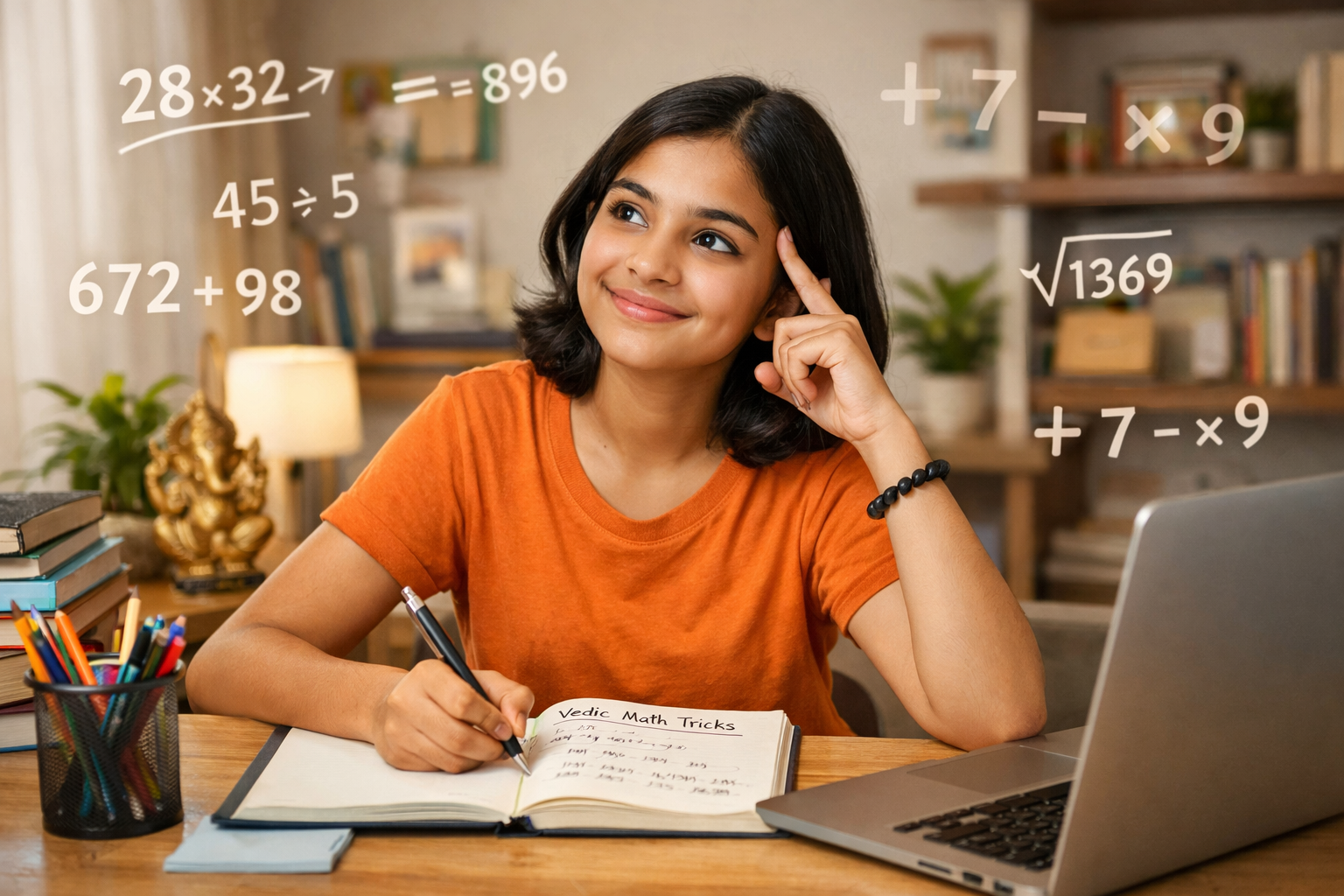



Let’s be honest. For many people, the word mathematics brings back memories of confusion, slow calculations, and that one exam question that made everything go blank. Numbers often feel intimidating, not because they are hard, but because they were taught in a way that made them feel heavy and stressful. This is exactly where Vedic Mathematics walks in like a friendly guide and says, “Relax, numbers aren’t that scary.”
At its heart, Vedic Mathematics is a smarter and more natural way to work with numbers. It is based on ancient Indian mathematical ideas that focus on logic, patterns, and mental calculation. Instead of writing long steps and checking again and again, Vedic Mathematics techniques help you reach answers faster, often in your head. And yes, it really feels satisfying when you solve a problem before others even finish writing it down.
One of the reasons people enjoy Vedic Mathematics learning is because it feels more like solving a puzzle than doing homework. Suddenly, multiplication doesn’t look like a monster, division doesn’t feel confusing, and squares and cubes stop being something to fear. With regular Vedic Mathematics practice, learners start noticing patterns in numbers, and that’s when math begins to feel logical even fun. Another interesting thing about Vedic Mathematics is how quickly confidence builds. When calculations become easier, learners stop doubting themselves. That moment when you mentally solve a problem and think, “Wait… was it really that easy?” is priceless. Over time, this confidence spills over into exams, classroom participation, and even everyday problem-solving.
The benefits of Vedic Mathematics methods are not limited to speed alone. They improve concentration, sharpen memory, and train the brain to think clearly. Since most calculations happen mentally, the brain gets a proper workout. Think of it as a gym session for your mind — minus the sweat. This mental training helps learners stay focused not just in math, but in other subjects too.
What makes Vedic Mathematics even more appealing is how useful it is in daily life. Whether you are adding bills, estimating prices, or quickly checking if an answer makes sense, Vedic Mathematics shortcuts come in handy. Many learners don’t even realize they are using them the techniques become that natural.
In schools and academic learning, Vedic Mathematics works best as a helpful companion rather than a replacement. It supports regular math by offering alternative ways to solve the same problem. When learners have more than one method in their toolbox, they feel prepared instead of pressured. Time-bound exams become less stressful because speed and accuracy improve together.
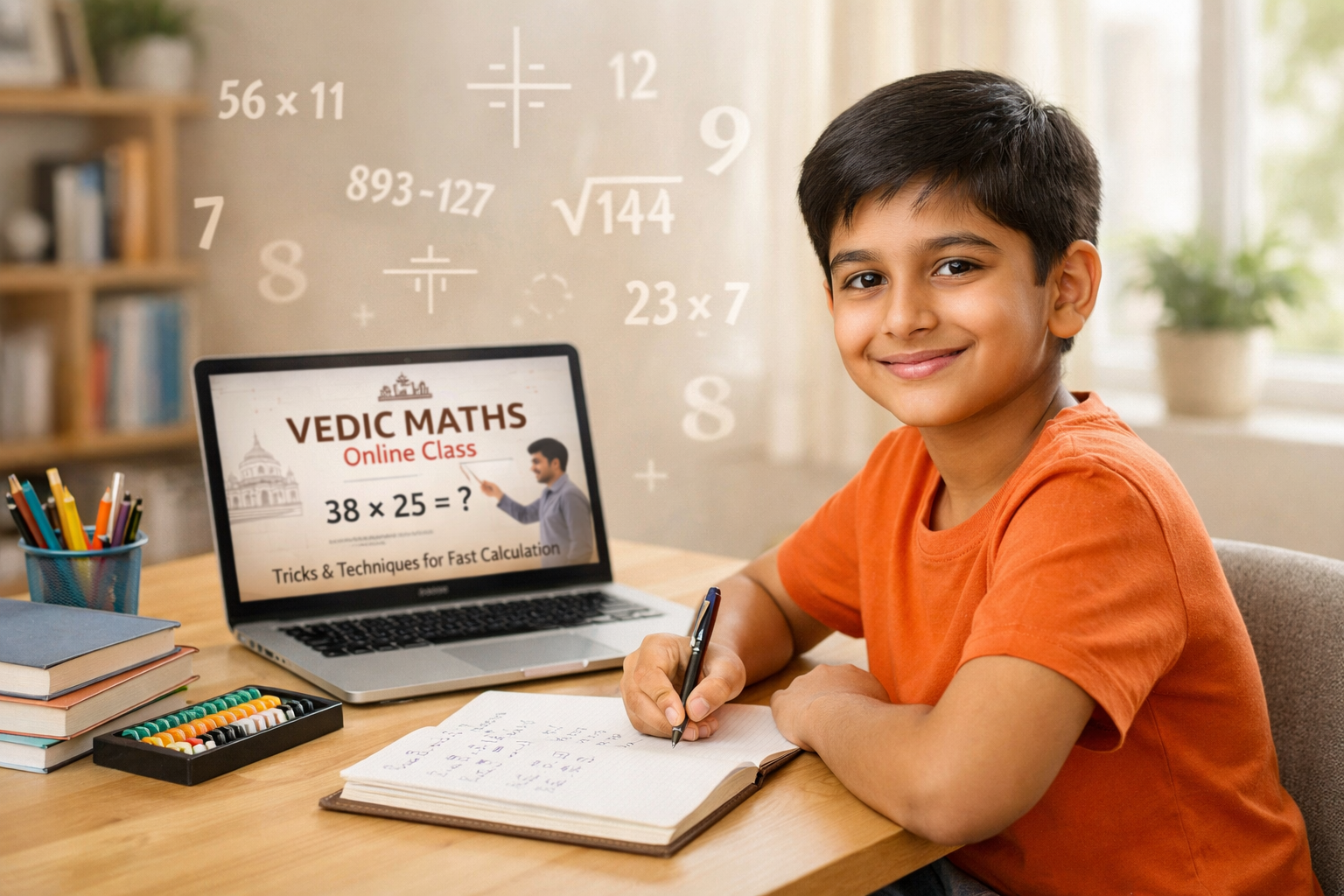
To really enjoy the benefits of Vedic Mathematics, consistency matters more than long study hours. A few minutes of regular practice can make a big difference. Starting with simple calculations and slowly moving to advanced ones helps learners stay comfortable and curious. Many students today choose guided online learning through platforms like VediqMaster (https://www.vediqmaster.com/), where concepts are explained clearly and practice feels structured instead of overwhelming.
A common myth is that Vedic Mathematics is only for students who are already good at math. In reality, it is often the students who struggle the most that benefit the most. By removing fear and simplifying calculations, Vedic Mathematics techniques help learners rebuild trust in their own abilities. Suddenly, math stops being the subject to avoid and becomes the one they feel confident about.
In the end, Vedic Mathematics is not just about fast answers or clever tricks. It is about changing your relationship with numbers. When math feels simple, logical, and even a little entertaining, learning becomes enjoyable. And when that happens, people don’t just read about it once they come back, try it again, and start seeing numbers in a whole new way.


.jpg)